Evidence check
The Green Coffee Bean Study That Was Retracted, and Why It Still Matters
The best-known green coffee weight study, published in 2012, was retracted in 2014 because its sponsors could not assure the validity of the data. The FTC found weights had been altered. What remains is a few poor-quality trials at 180-200 mg a day. SodaSlim has 130 mg, below even that.
Written by the Sodaslimbalance editorial teamUpdated · 9 min read
2012
What did the 2012 green coffee study claim?
In 2012, a small study by Vinson, Burnham and Nagendran reported weight loss with green coffee bean extract. It ran in the journal Diabetes, Metabolic Syndrome and Obesity: Targets and Therapy (Green coffee study retracted (2014)).
Green coffee beans are coffee beans that have not been roasted. They are rich in chlorogenic acids, which marketers linked to weight control.
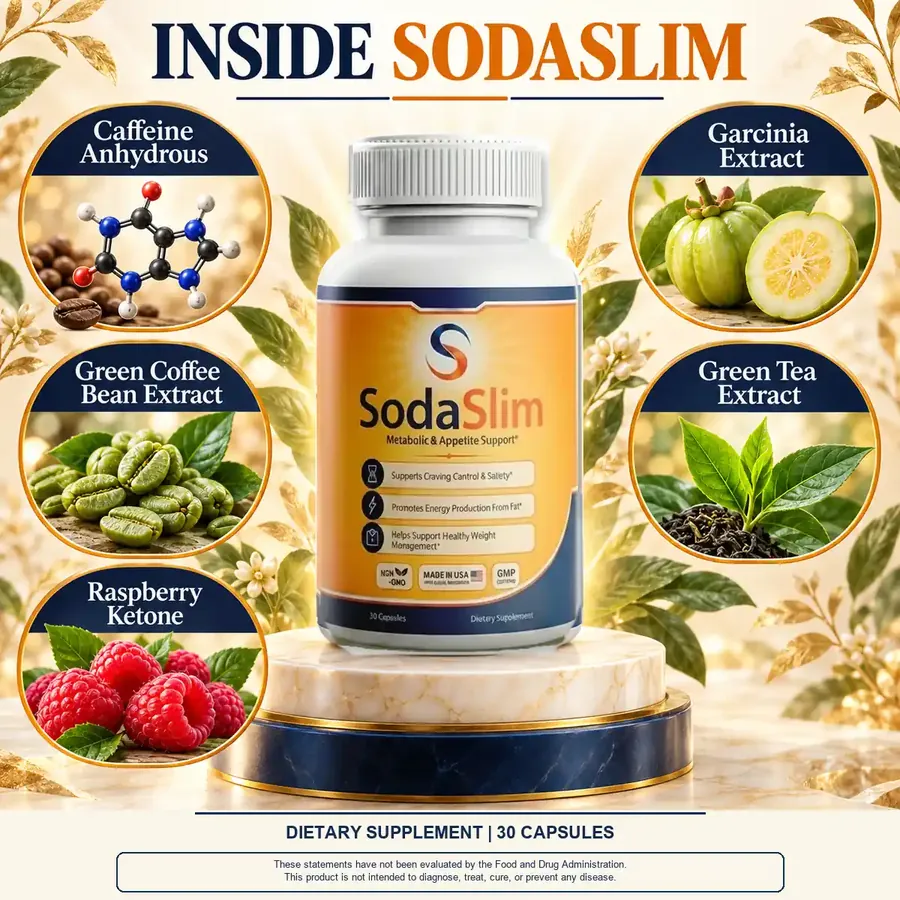
SodaSlim lists green coffee bean extract first, at 130 mg per capsule. See the green coffee bean ingredient page for label details.
The hype
How did green coffee become a TV diet craze?
A national TV health show featured green coffee in 2012, and sales took off. The FTC later described the surge as the "Oz Effect" (FTC blog: anatomy of a diet craze).
The FTC's account shows how a craze is built. The campaign rode the TV appearance. It had ties to the recommended brand that were not disclosed. It also used paid "brand ambassadors" and paid online reviewers (FTC blog: anatomy of a diet craze).
One small study, a big TV moment and a wave of paid praise can look like proof. It is not.
The FTC
What did the FTC find about green coffee marketing?
The FTC brought two major cases. It called the study behind the claims "seriously flawed".
| Case | Date | What the FTC said | Outcome |
|---|---|---|---|
| Applied Food Sciences | September 8, 2014 | The lead investigator repeatedly altered subjects' weights and the study length. Ads said "without diet or exercise", though subjects were told to diet and exercise. | Agreed to pay 3.5 million dollars (FTC: Applied Food Sciences settlement, 2014) |
| Lindsey Duncan's companies | January 26, 2015 | Claimed users would lose 17 pounds and 16% body fat in 12 weeks without diet or exercise. | 9 million dollar judgment; future weight claims need two well-controlled human trials (FTC: green coffee marketer settlement, 2015) |
The FTC's standing rule is that health claims for supplements need competent and reliable scientific evidence, generally randomized, controlled human trials (FTC: health claims need trials).
2014
Why was the green coffee study retracted?
The journal retracted the study in October 2014. The notice says "the sponsors of the study cannot assure the validity of the data" (Green coffee study retracted (2014)).
A retraction tells readers a paper should no longer be relied on. Here, the study's own sponsors could not stand behind its numbers.
- 2012
The Vinson study is published and reports weight loss with green coffee extract.
- 2012
A TV health show features green coffee; sales surge.
- September 2014
The FTC settles with Applied Food Sciences over altered study data.
- October 2014
The journal retracts the study.
- January 2015
The FTC settles with a second marketer and describes the "Oz Effect".
What's left
Does green coffee extract work without that study?
The remaining evidence is weak. NIH ODS says only a few poor-quality human trials exist, at 180-200 mg a day for 4 to 12 weeks (NIH ODS: green coffee bean extract).
A 2011 review found just 3 trials good enough to pool. Users lost about 2.47 kg (about 5.4 pounds) more than placebo users. But every trial had a high risk of bias, and the authors called their quality "poor" (Meta-analysis: green coffee (2011)).
What the data show
- A modest average difference in the pooled trials
- Short trials, 4 to 12 weeks
- Doses of 180-200 mg a day
Why it is not convincing
- Only 3 trials, all at high risk of bias
- One positive trial retracted after FTC criticism
- The extract contains caffeine, which muddies results
NCCIH's summary covers the whole field. Of the supplements studied for weight, none have been shown to be effective for weight loss (NCCIH: weight control).
SodaSlim
What does this mean for SodaSlim's 130 mg of green coffee?
SodaSlim's 130 mg sits below the 180-200 mg used in the weak trials that remain. So there is no good reason to expect weight change from the green coffee alone.
The label says the extract is standardized to 50% chlorogenic acids, which works out to about 65 mg per capsule. Printing that strength is a real plus. Many products do not.
Green coffee extract also contains some caffeine of its own (NIH ODS: green coffee bean extract). The label does not print how much. That comes on top of the 138 mg of caffeine anhydrous in each capsule.
The fair summary: SodaSlim is mainly a caffeine capsule with four small extracts. Our caffeine check shows how to add up your daily total.
Give SodaSlim 60 days1 capsule a day · from $49 a bottle · free U.S. shipping on 3+ bottles
Order nowBy the numbers
How does SodaSlim compare with the research doses?
Garcinia and green coffee both fall short of the doses studied for weight. Caffeine and EGCG fall well under their safety limits, which is good news.
Lessons
How can you spot the next green coffee craze?
Look for the same signs that marked green coffee. The FTC lists weight loss of 2 or more pounds a week for a month without diet or exercise as a claim that is false (FTC: Gut Check weight-loss claims).
Check if the study still stands
Search the study title with the word "retraction". A retracted paper is not evidence.
Discount TV and paid praise
A TV mention or a wave of reviews is marketing, not a trial.
Compare the dose
Even real trials only matter if the product uses a similar amount.
Our post on weight-loss claims and red flags covers more warning signs.
Bottom line
Should the retraction change your view of SodaSlim?
It should set your expectations. The study that made green coffee famous no longer counts, and the rest of the evidence is thin.
SodaSlim's label shows every amount, which helps. Still, its green coffee dose is below what was tested. Lasting change comes from food, activity and sleep, and CDC says 1 to 2 pounds a week is the pace that lasts (CDC: losing weight).
Next step
Where can you read the sources?
Every source in this article is linked inline. Open them and judge for yourself before you buy.
FAQ
Green coffee study retraction FAQ
Why was the green coffee bean study retracted?
The 2012 Vinson study was retracted in October 2014 because the sponsors could not assure the validity of the data. The FTC had found that the lead investigator repeatedly altered subjects' weights and the study length.
Does green coffee bean extract help you lose weight?
Not reliably. NIH ODS says only a few poor-quality trials exist, at 180-200 mg a day. Pooled, they showed about 2.47 kg more loss than placebo, but all were at high risk of bias.
How much green coffee extract is in SodaSlim?
130 mg per capsule, standardized to 50% chlorogenic acids, or about 65 mg. That is below the 180-200 mg a day used in the trials NIH describes.
What was the Oz Effect?
It is the FTC's name for the sales surge after green coffee appeared on a TV health show in 2012. The FTC said the campaign also used undisclosed ties, paid brand ambassadors and paid reviewers.
Did the FTC fine green coffee sellers?
Yes. Applied Food Sciences agreed to pay 3.5 million dollars in 2014, and Lindsey Duncan's companies agreed to a 9 million dollar judgment in 2015 over weight-loss claims.
Does green coffee extract contain caffeine?
Yes, it contains some caffeine of its own. The SodaSlim label does not print how much comes from the green coffee, so count it on top of the 138 mg of caffeine anhydrous per capsule.
Who wrote this
Written and reviewed by
A small team that reads the SodaSlim label line by line, checks every number against public health sources (NIH ODS, NCCIH, LiverTox, EFSA, CDC, NIDDK, FDA, FTC) and rewrites it in plain English. We do not write for the manufacturer, and we update a page whenever the label, the prices or the evidence changes.
Last updated . See our editorial standards and how we check reviews. This website is run by a USA authorized retailer, not by the manufacturer. We are paid a commission when you buy through our order links.
Keep reading
More about SodaSlim
Green coffee bean extract
130 mg of unroasted coffee extract, a retracted study and two FTC cases: the plain facts.
Read more
Weight-loss claim red flags
Impossible promises, fake reviews, countdown clocks and borrowed logos: the FTC and FDA red flags, applied to SodaSlim.
Read more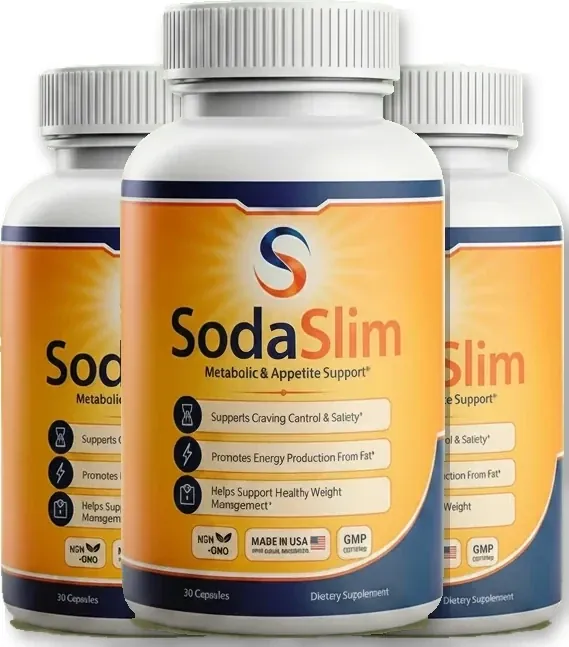
Choosing a weight supplement
Seven checks for any weight supplement label, from hidden blends to fake reviews, with SodaSlim scored on each.
Read moreUSA authorized SodaSlim retailer
Ready to try SodaSlim?
Pick a pack. At one capsule a day, every pack lasts at least 60 days, the whole money-back window.
- Secure checkout
- 60-day money-back guarantee
- Ships from the U.S.